



































COOLING SYSTEMS
Construction machines, from excavators to bulldozers, operate in demanding environments where cooling systems are crucial for optimal performance. These machines endure extreme conditions—high temperatures, heavy loads, and prolonged use—which generate substantial heat. Without a robust cooling system, this heat can lead to overheating, causing potential mechanical failures and reduced efficiency.
A cooling system’s primary function is to regulate the temperature of the engine and hydraulic components. It prevents overheating by dissipating excess heat generated during operation. This is vital because excessive heat can degrade engine oil, decrease hydraulic fluid viscosity, and potentially warp critical engine parts. By maintaining an optimal operating temperature, the cooling system ensures that the engine performs efficiently and reliably.
Effective cooling also extends the lifespan of construction machinery. Overheated engines are more prone to wear and tear, which can lead to frequent breakdowns and costly repairs. Regular cooling helps in maintaining the integrity of engine components and hydraulic systems, ultimately reducing maintenance costs and downtime.
Moreover, a well-functioning cooling system supports fuel efficiency. Engines operating at the correct temperature combust fuel more effectively, leading to better fuel economy. In turn, this not only reduces operational costs but also minimizes the environmental impact of the machinery.
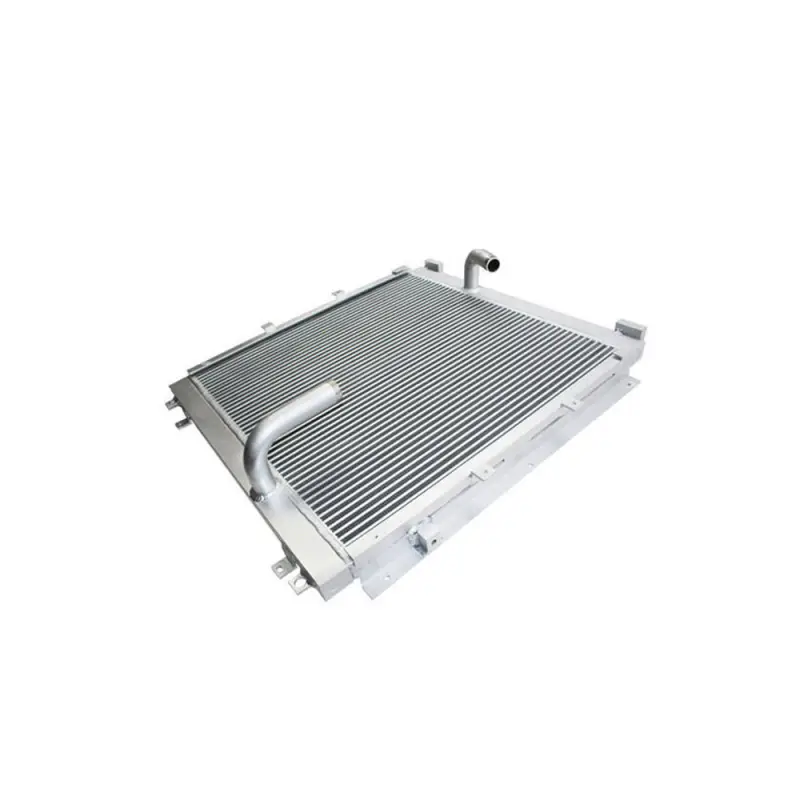
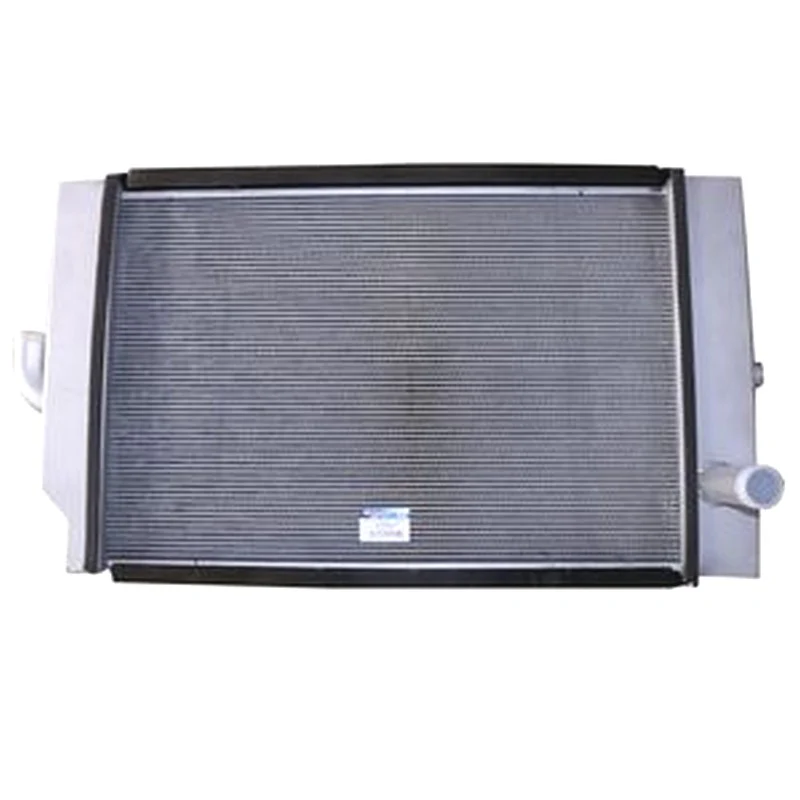
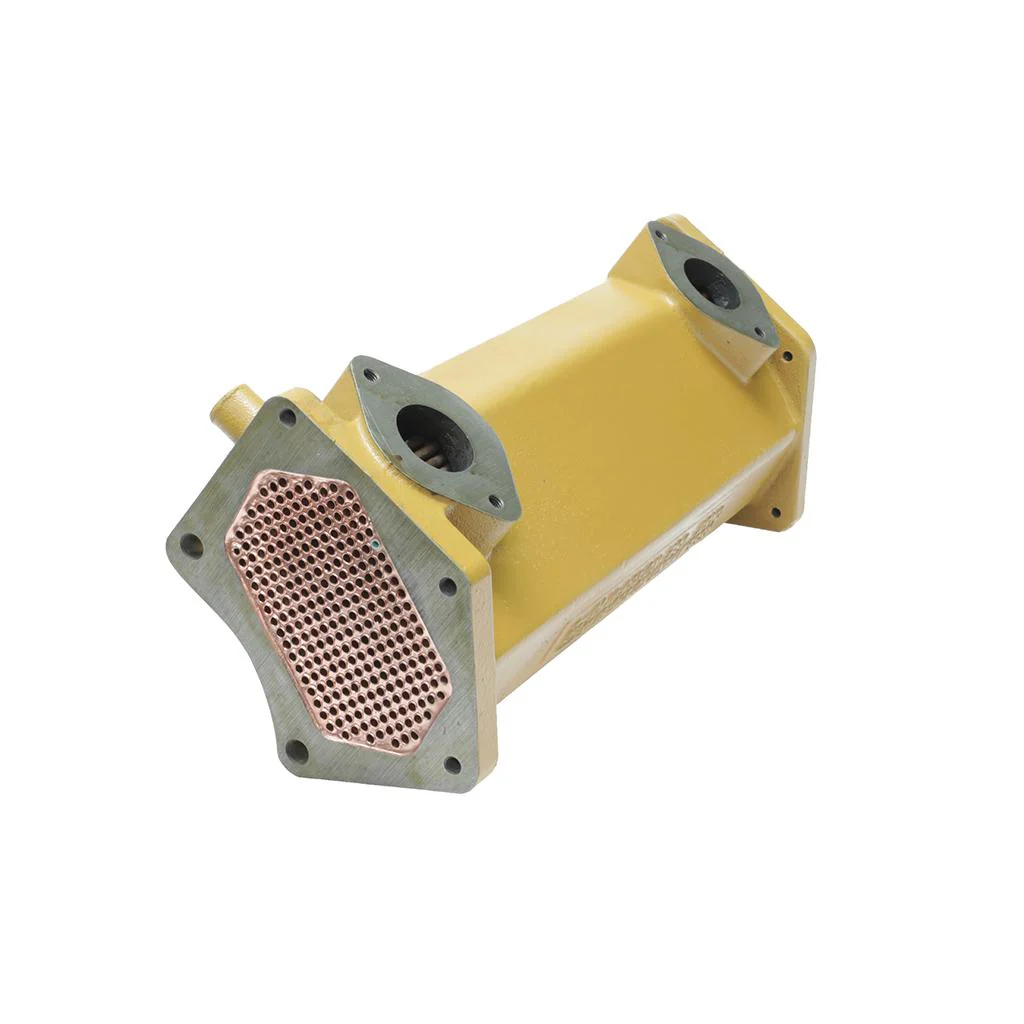
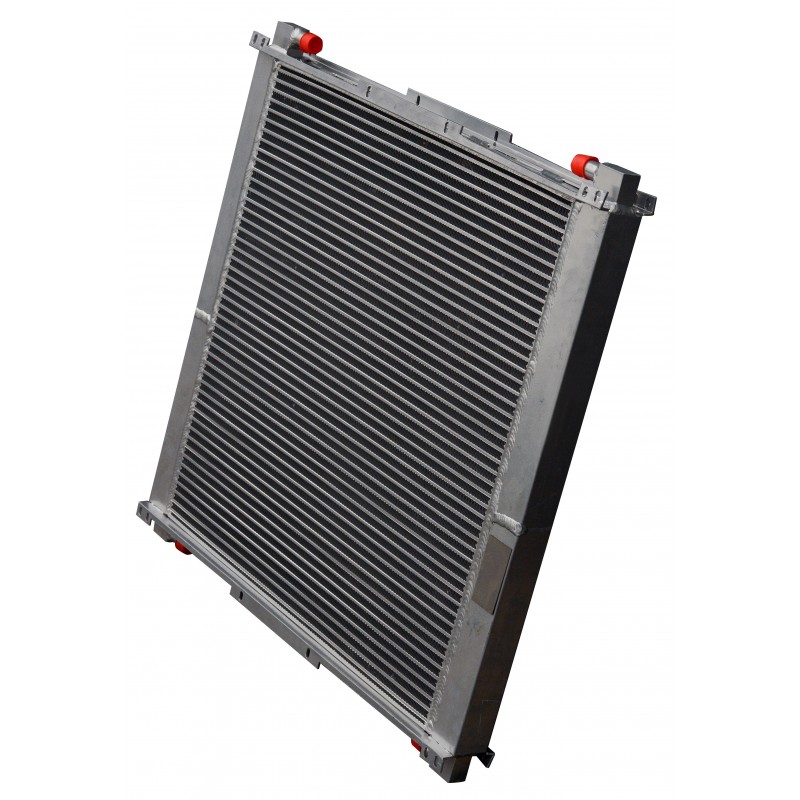
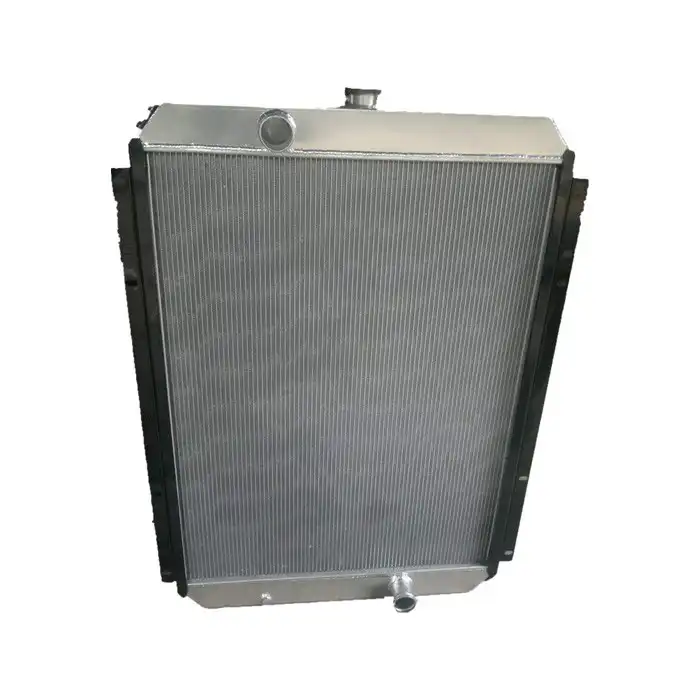
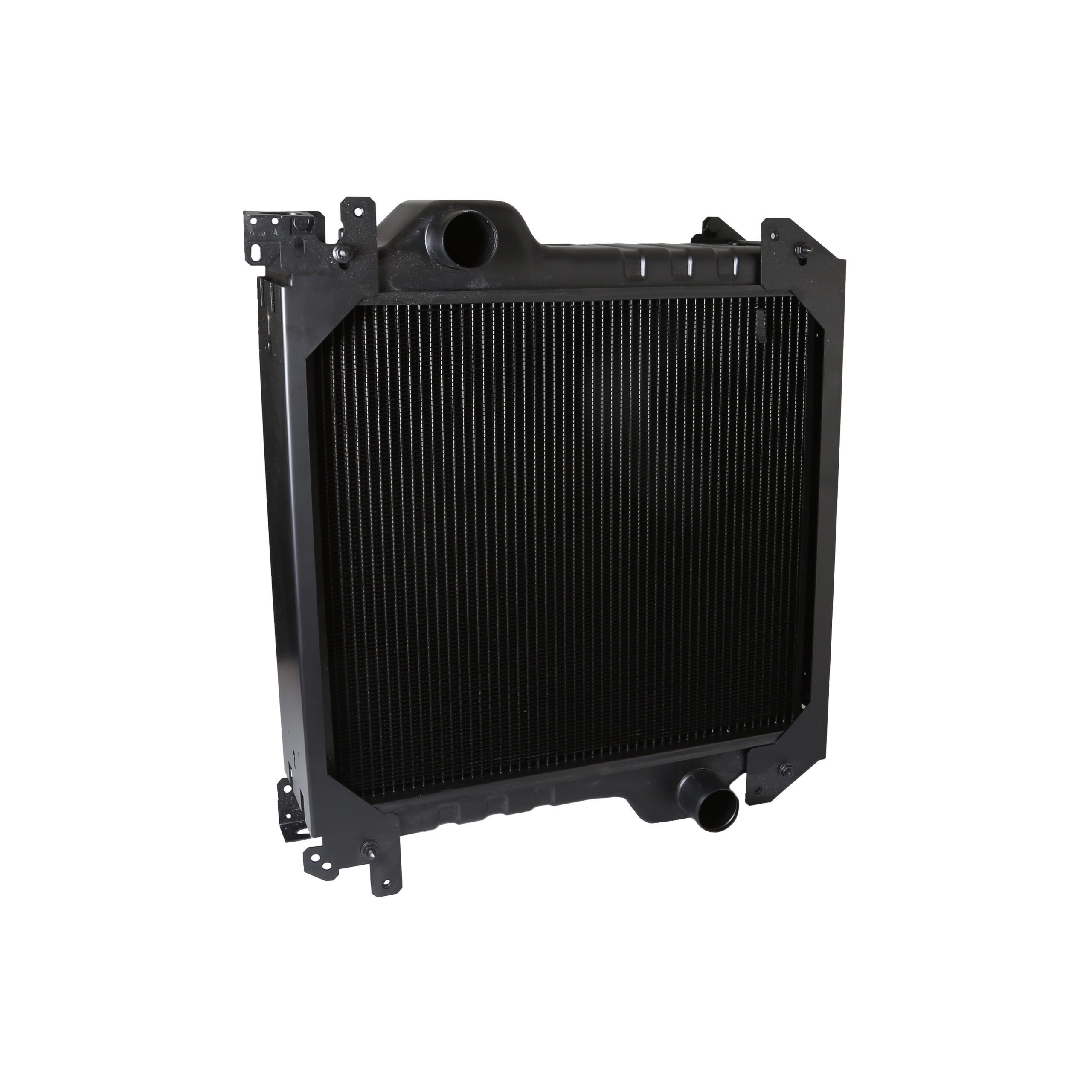
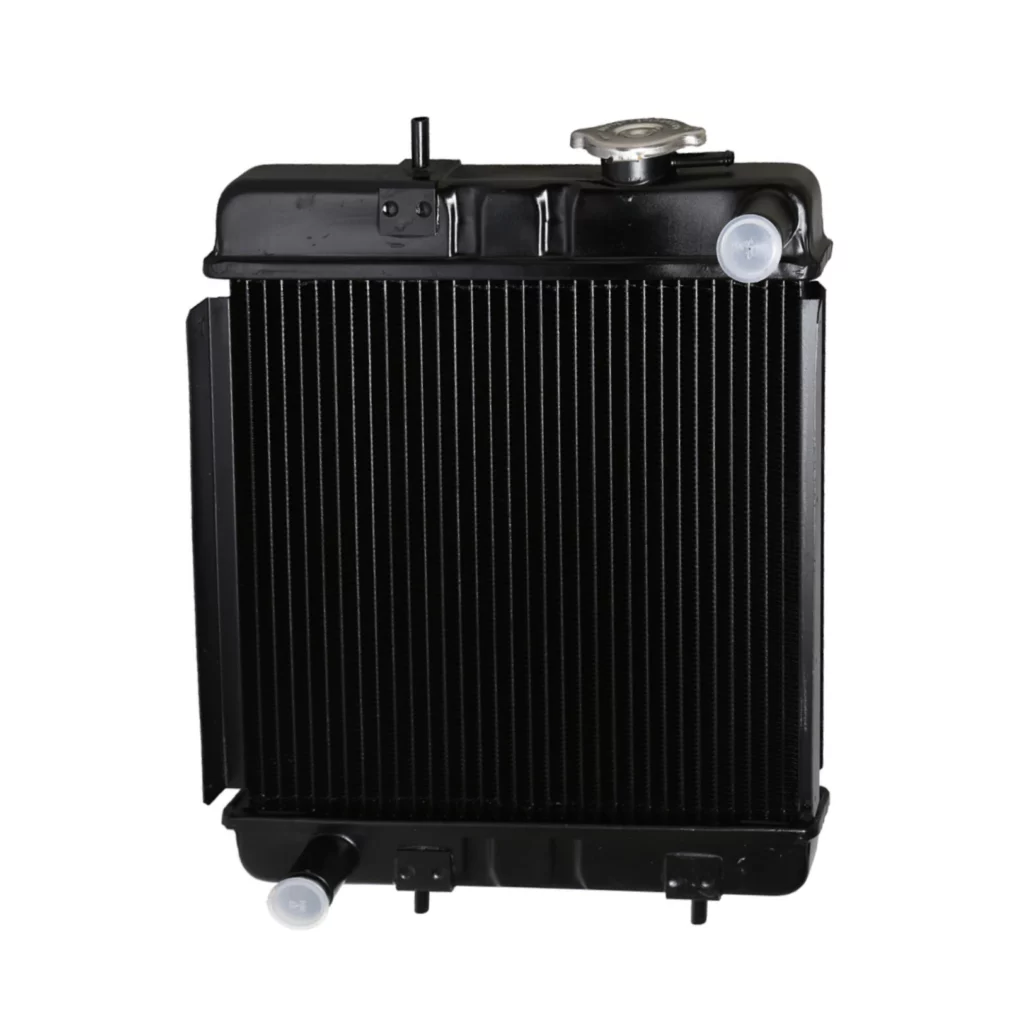
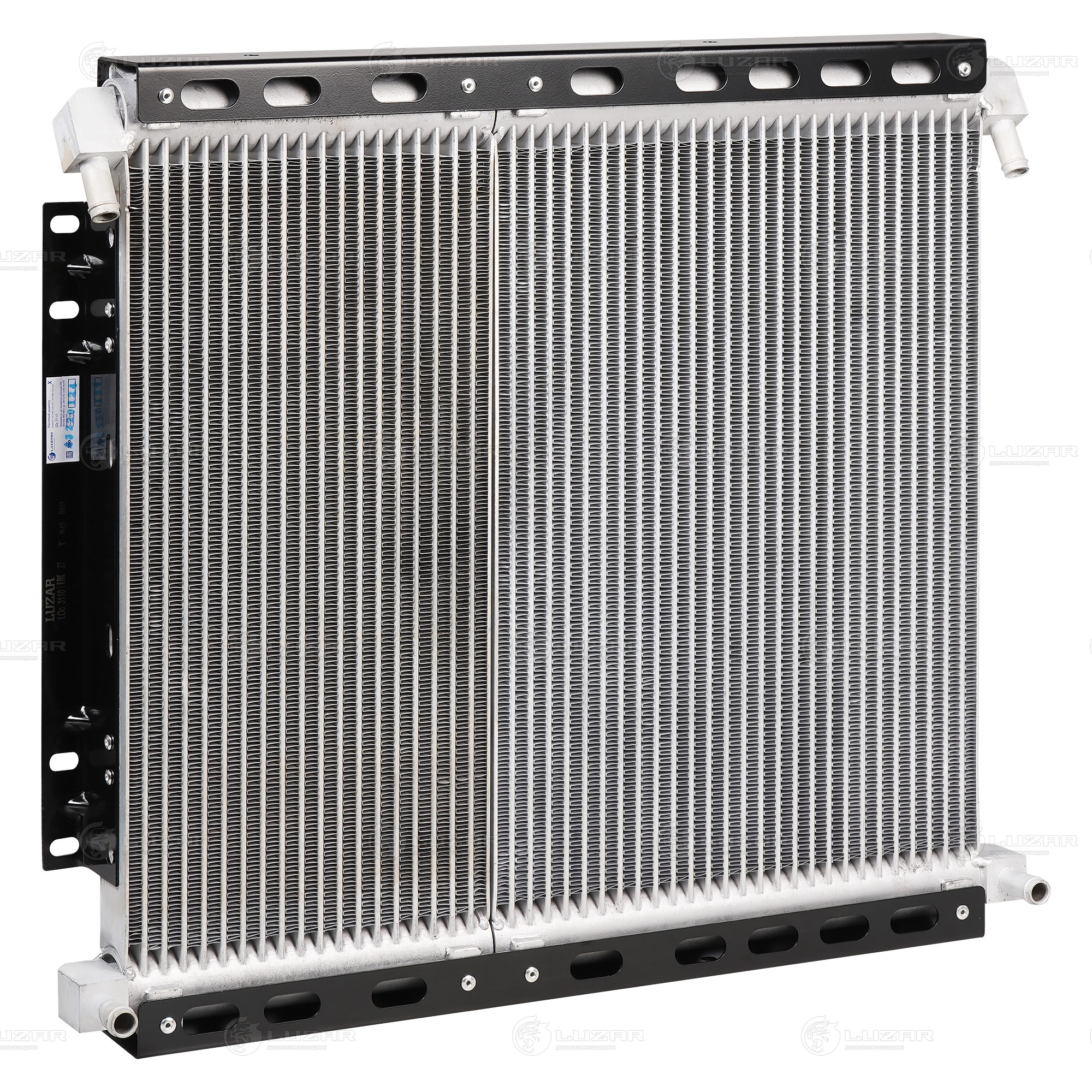
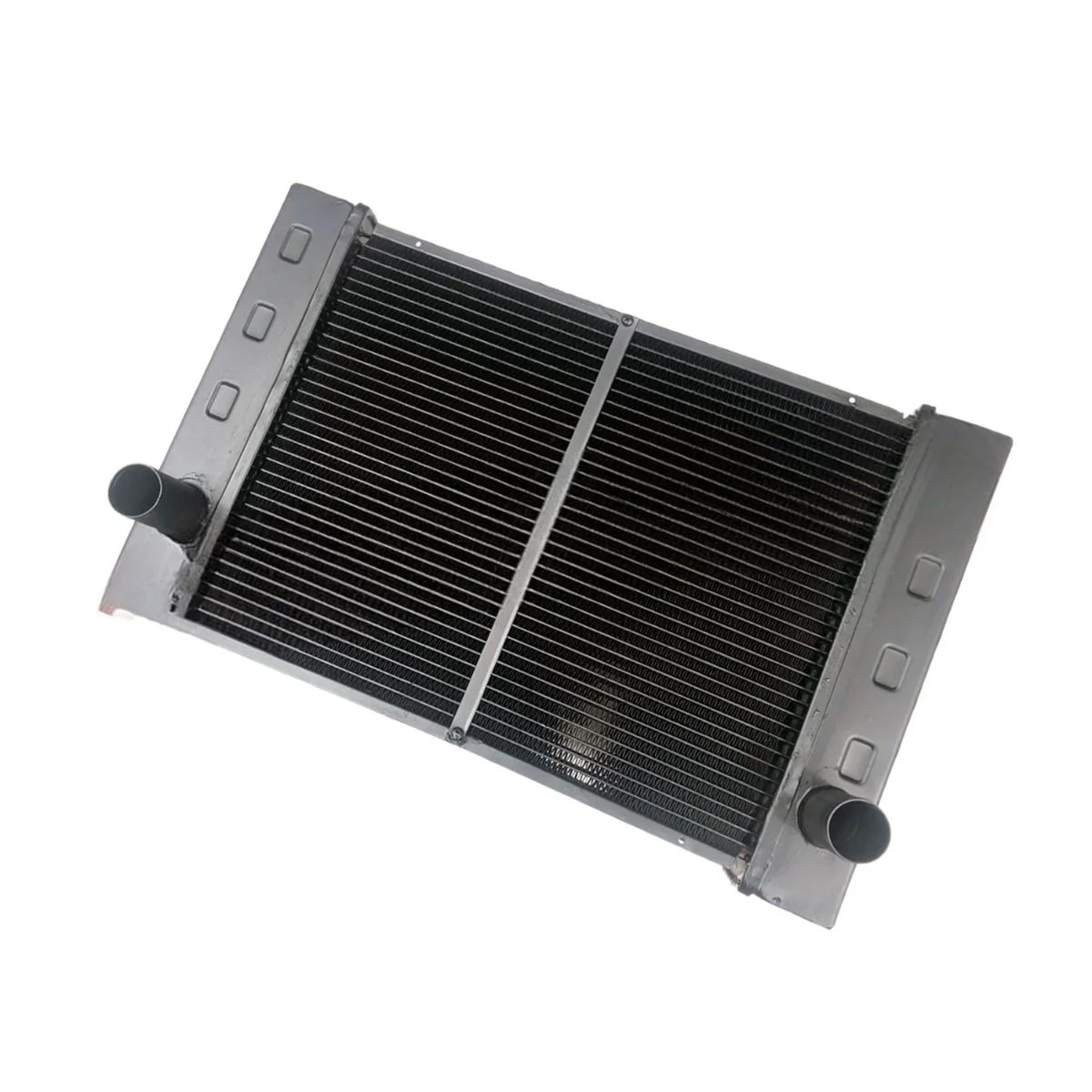
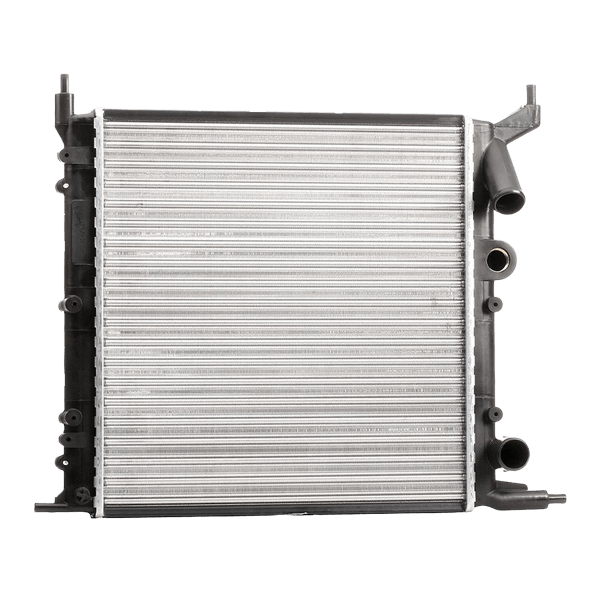
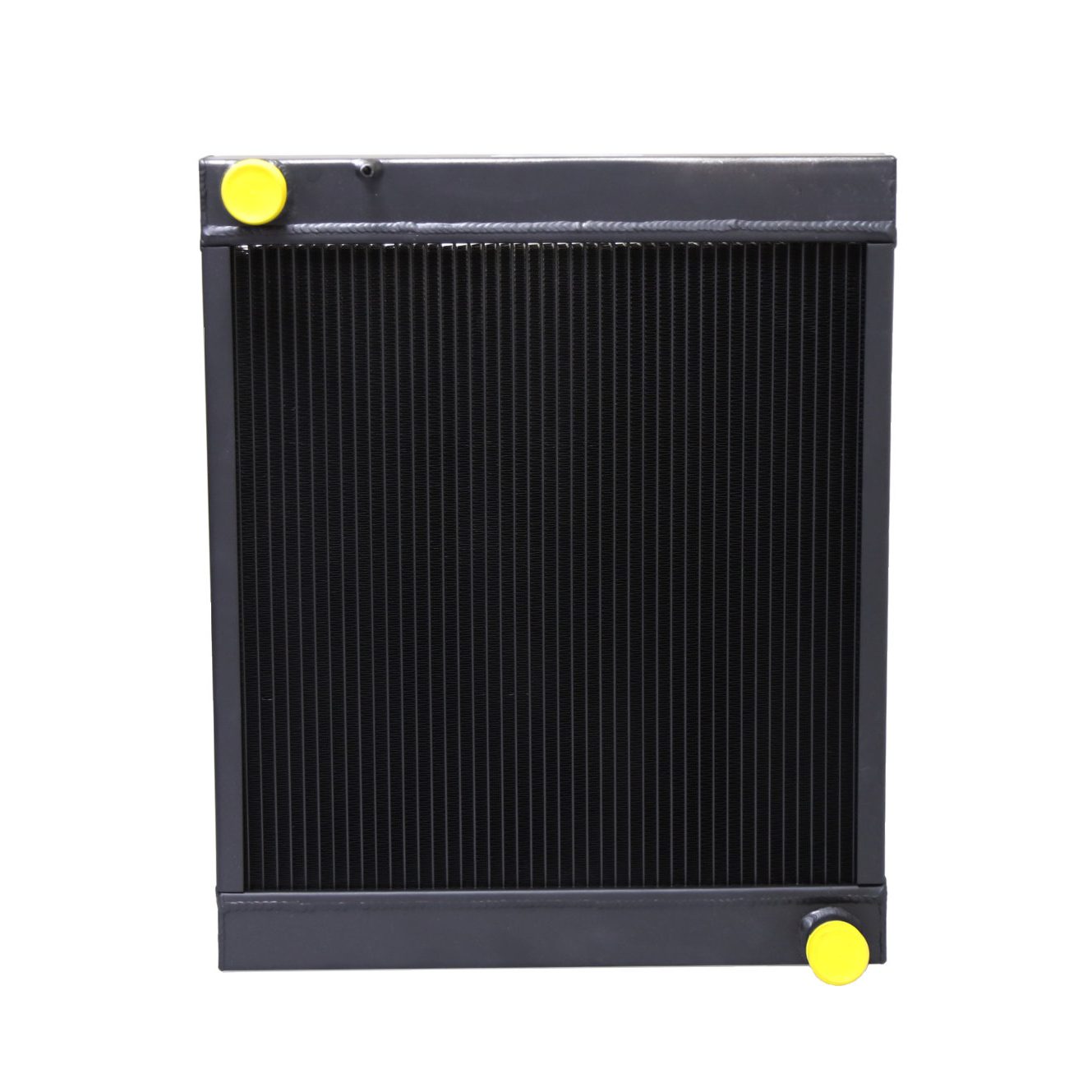
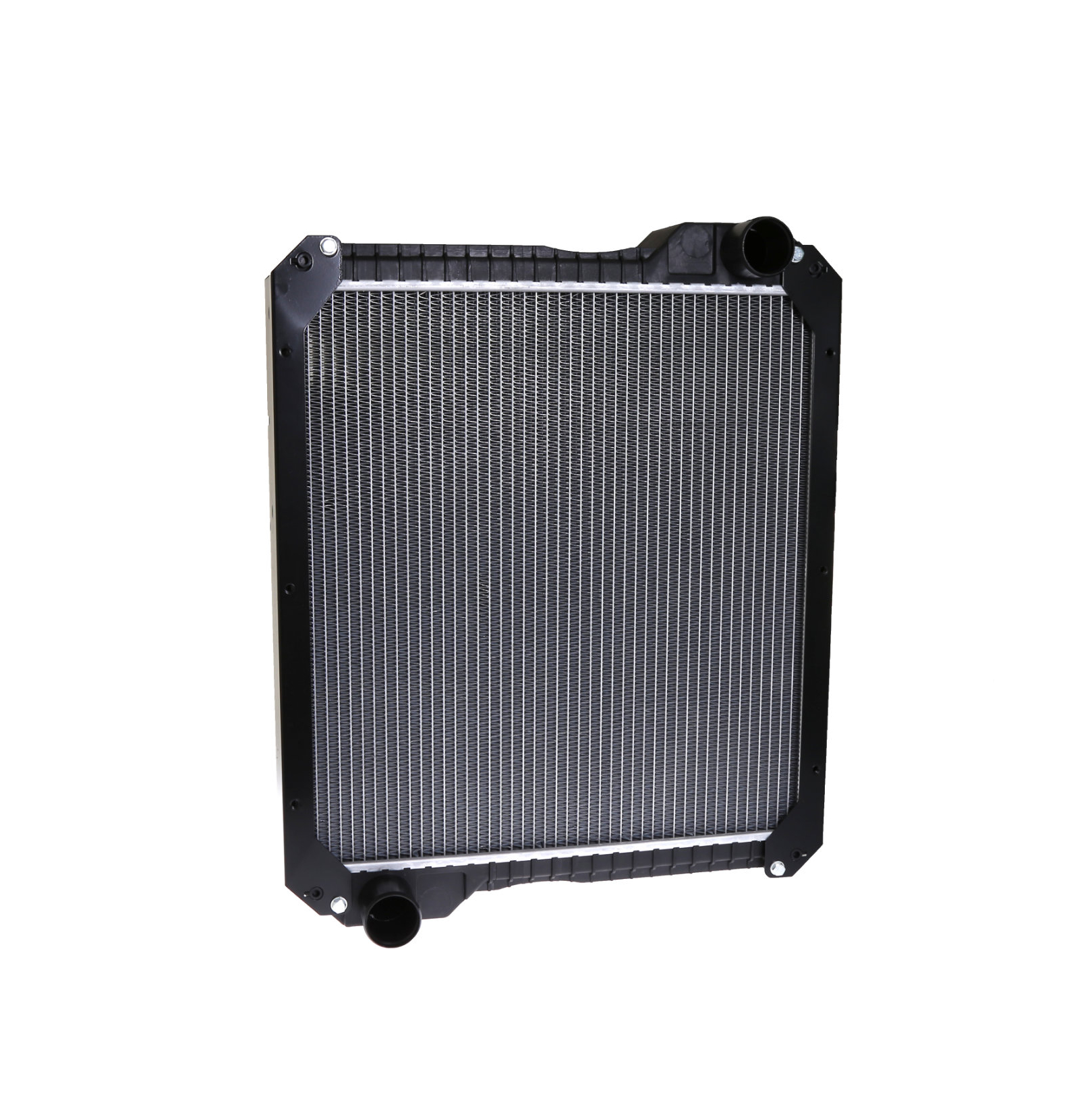
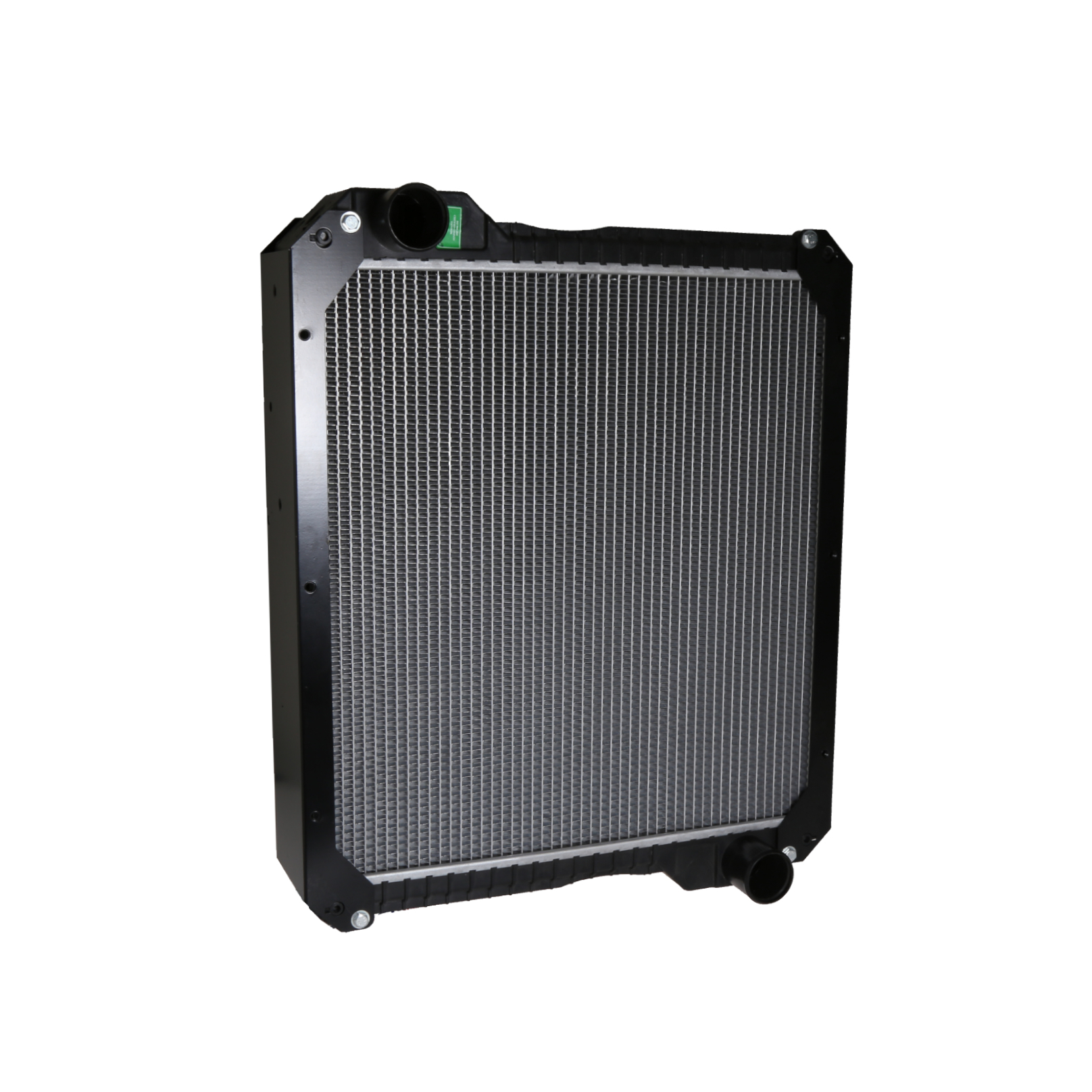
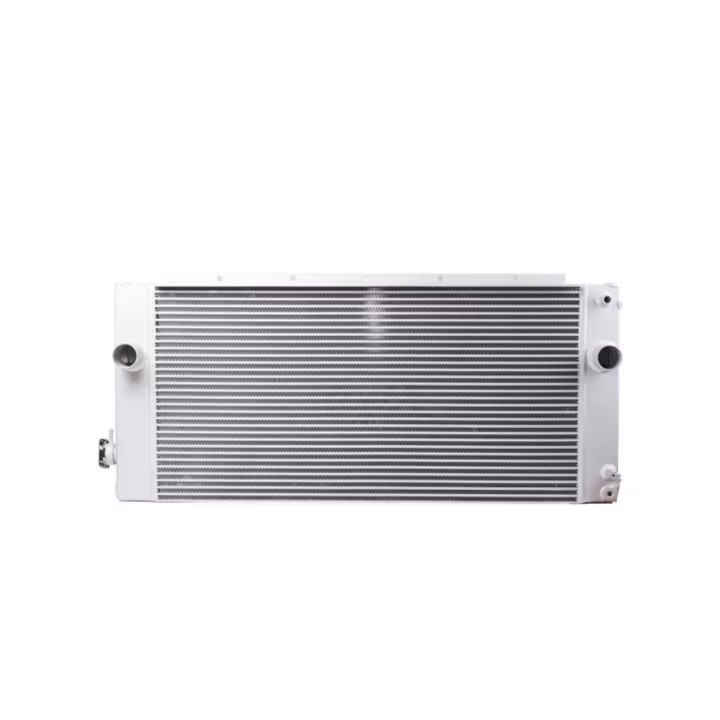
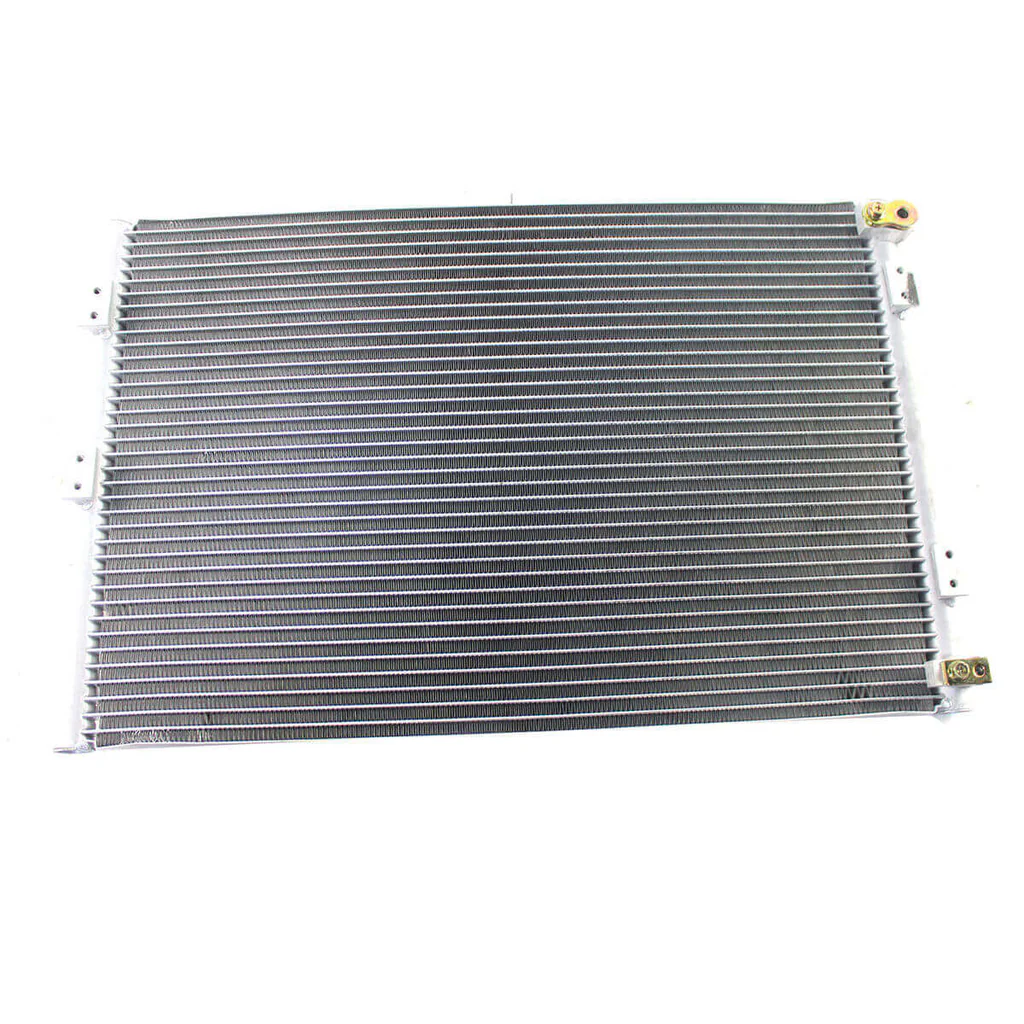
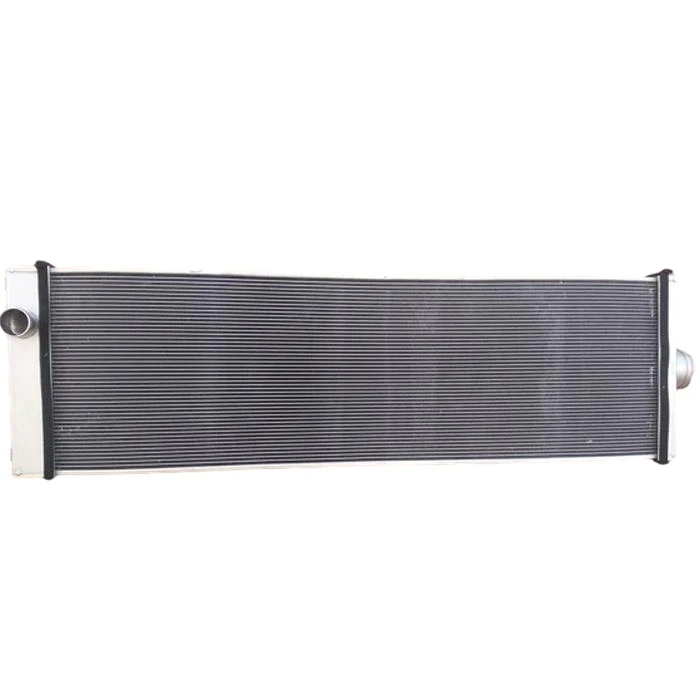
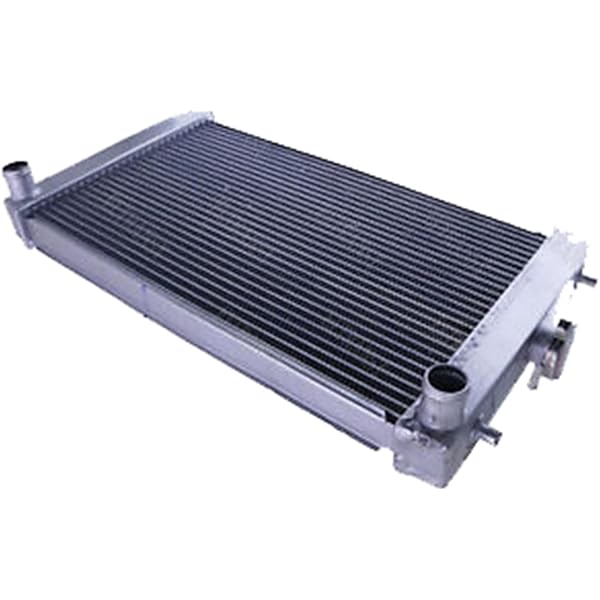
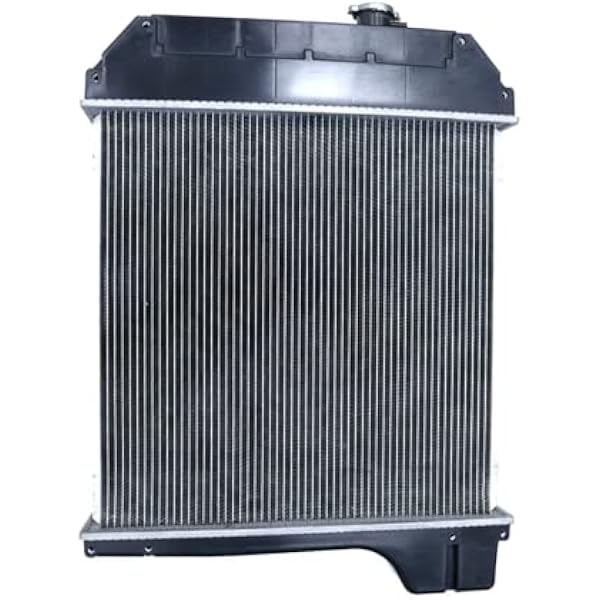
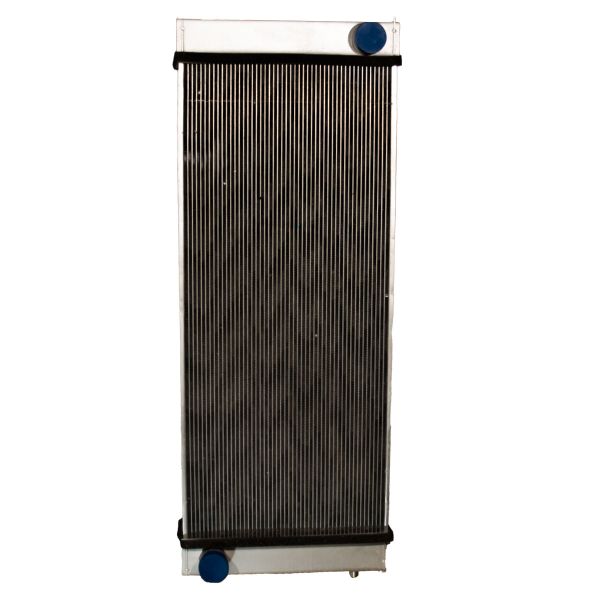
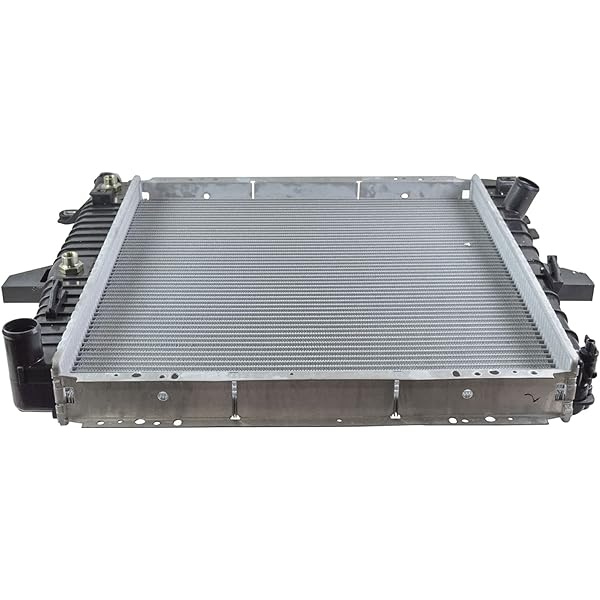
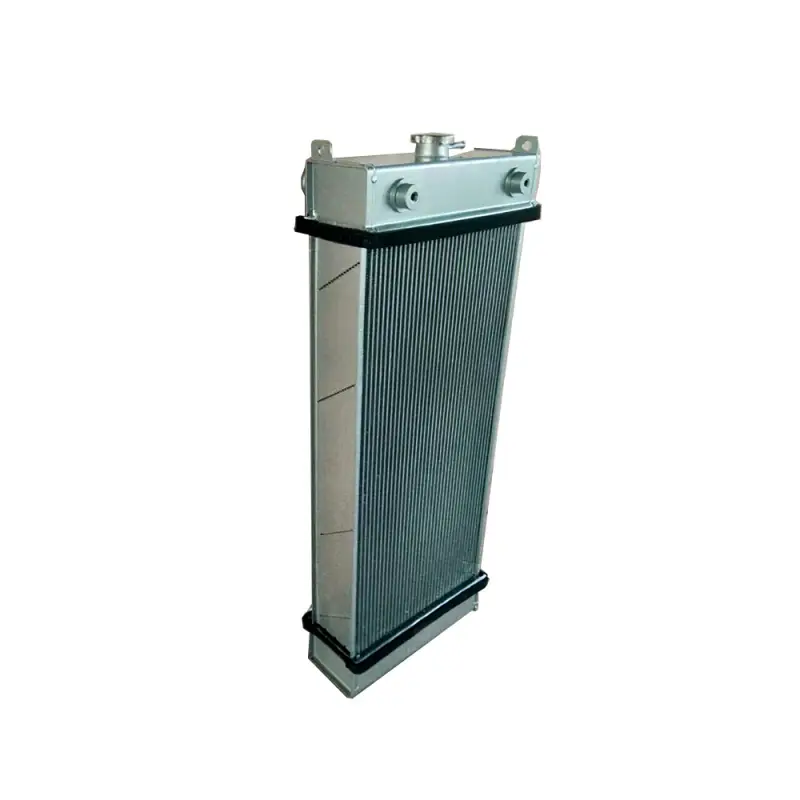
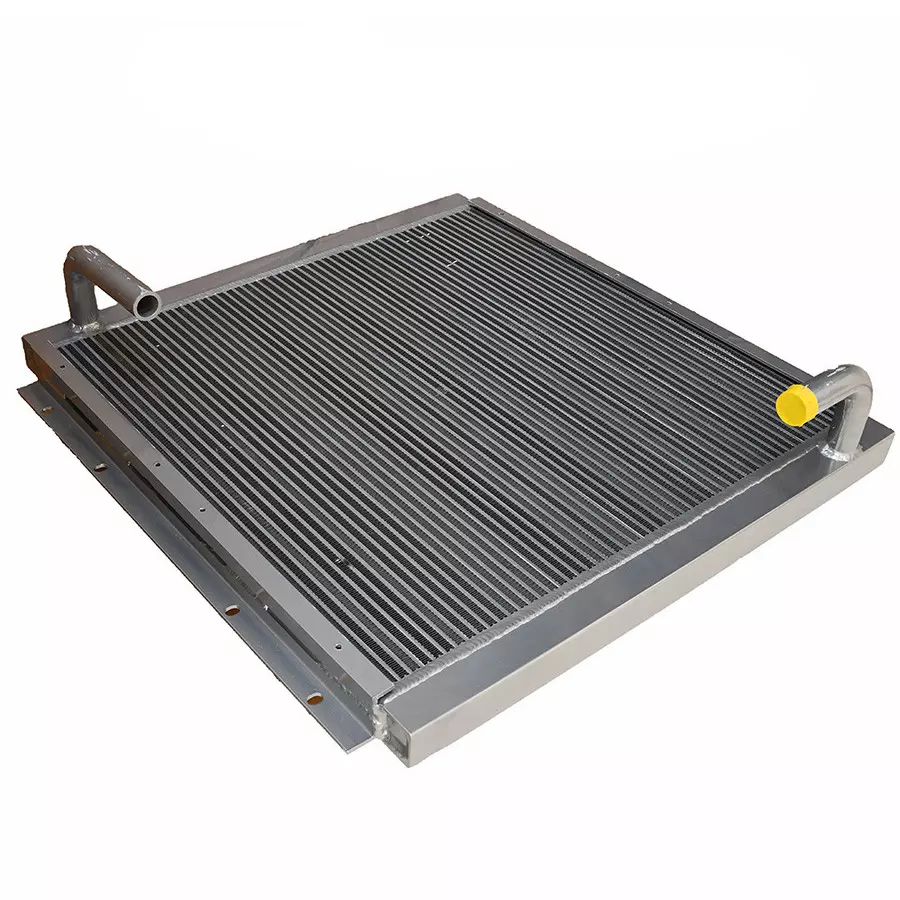
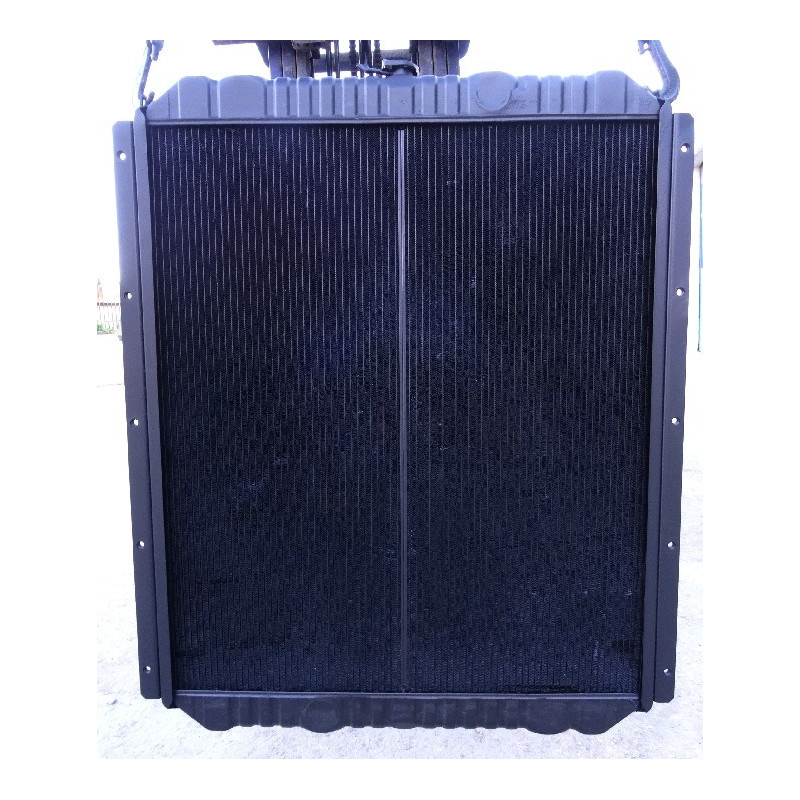
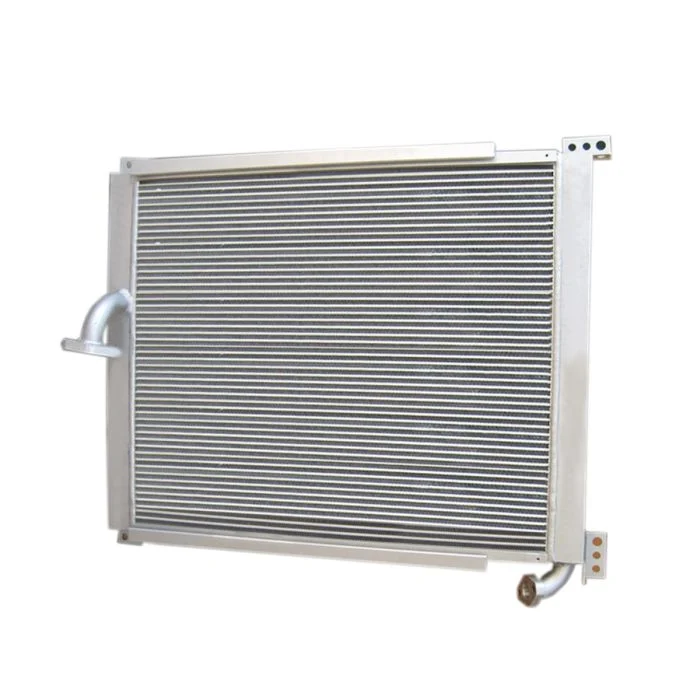
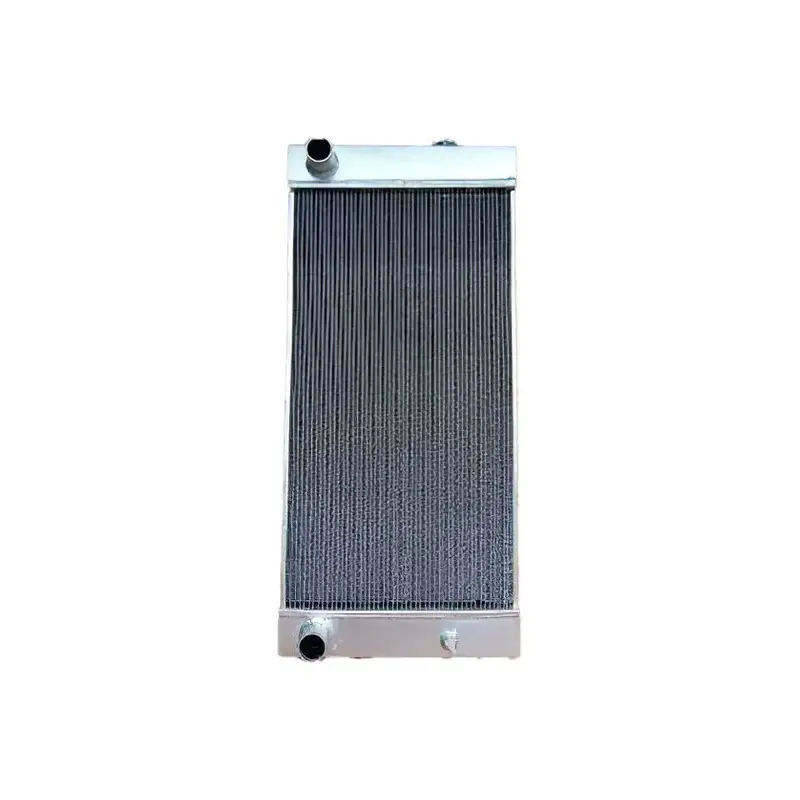
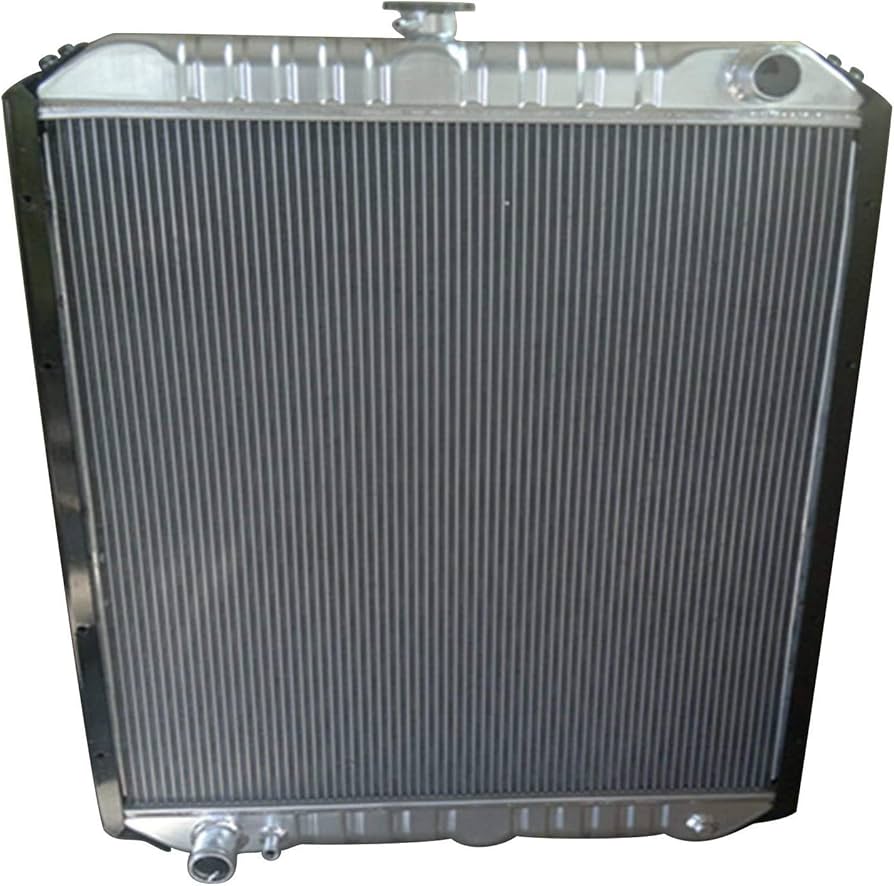
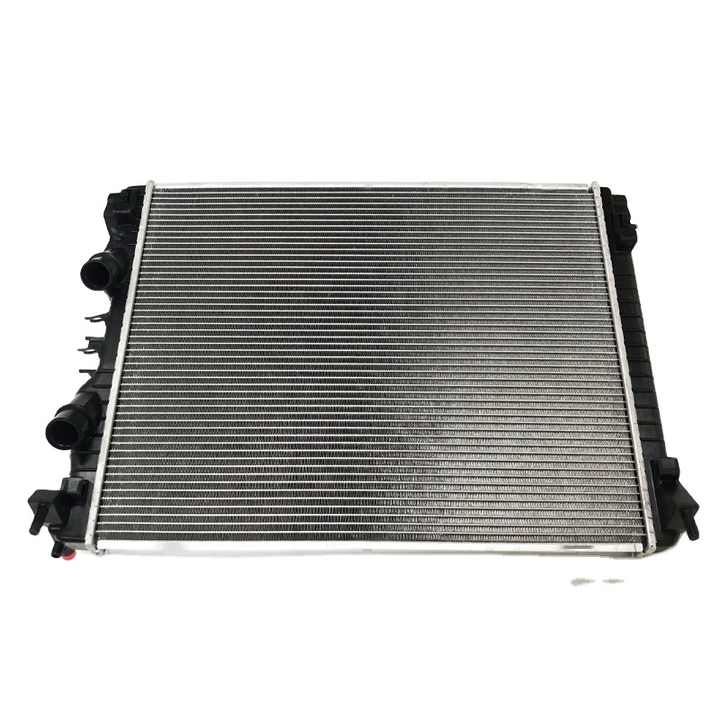
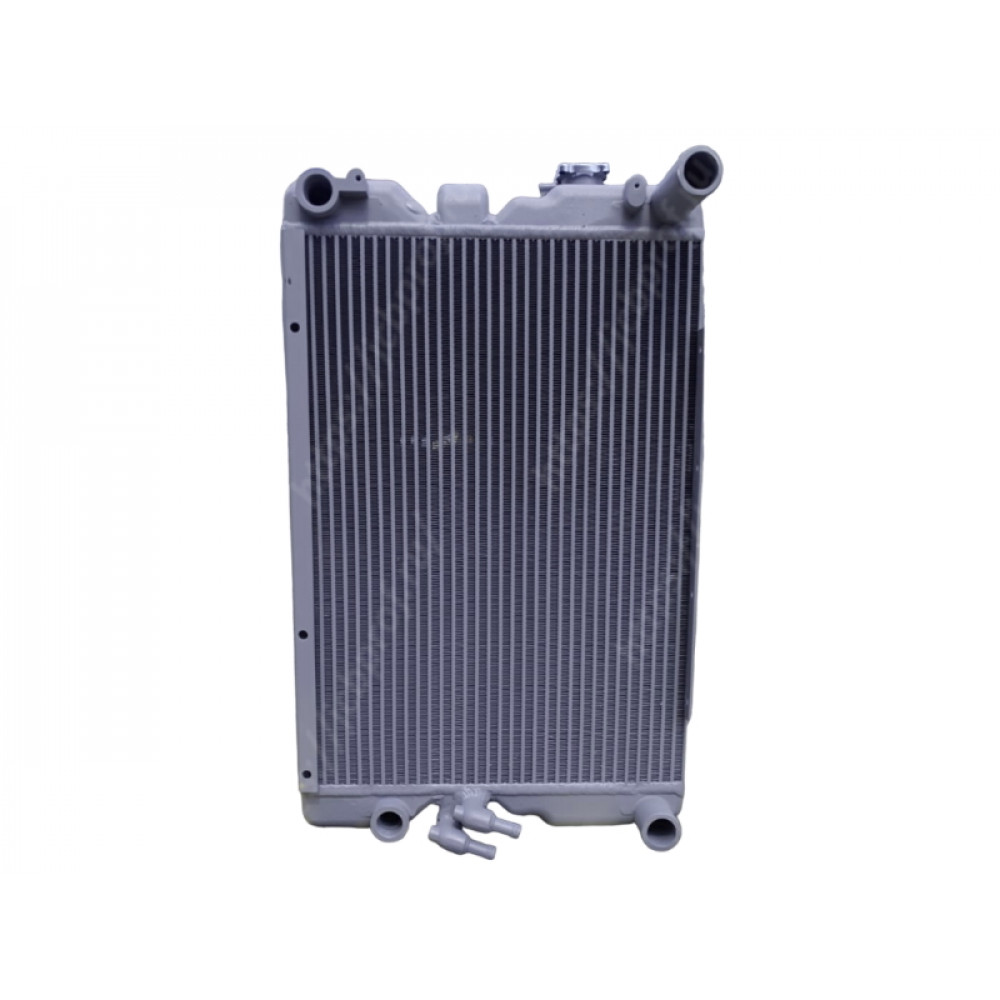
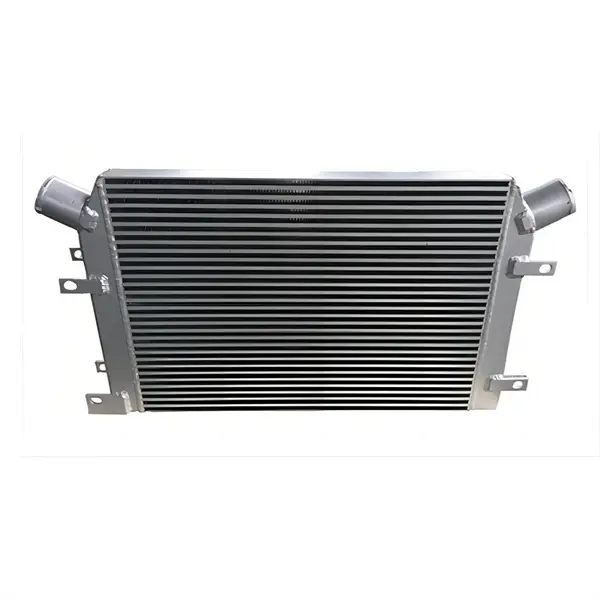
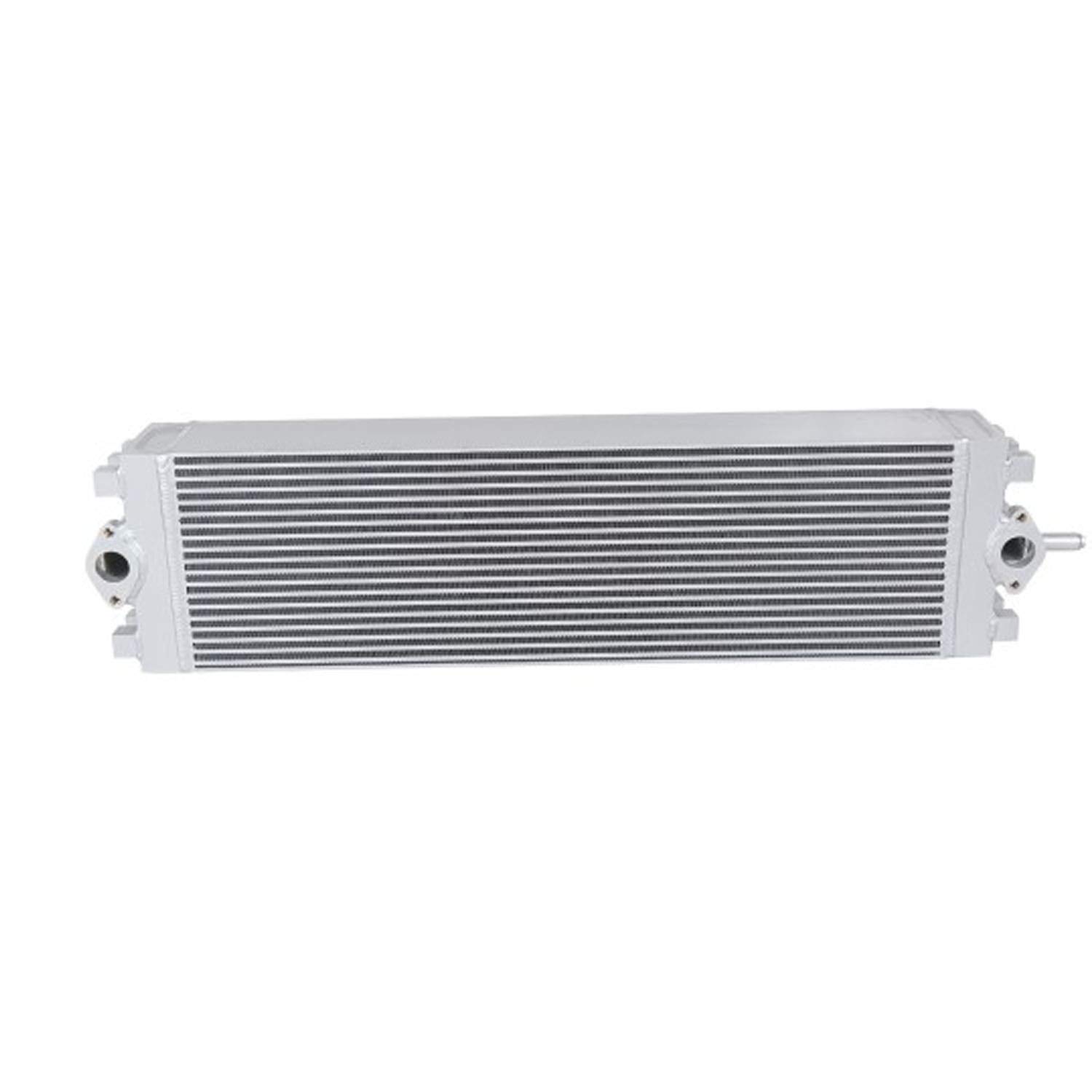
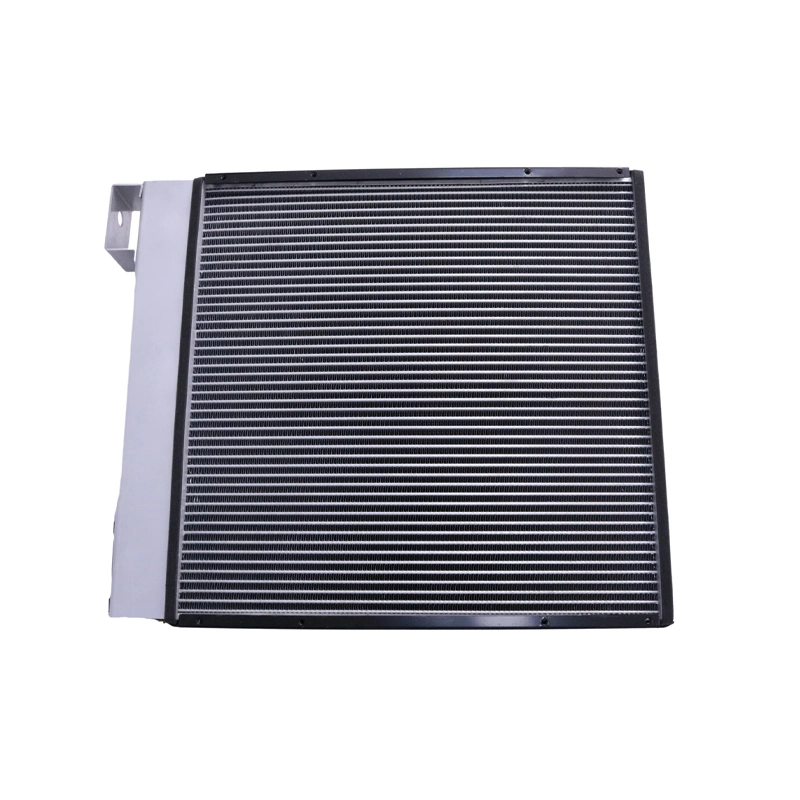
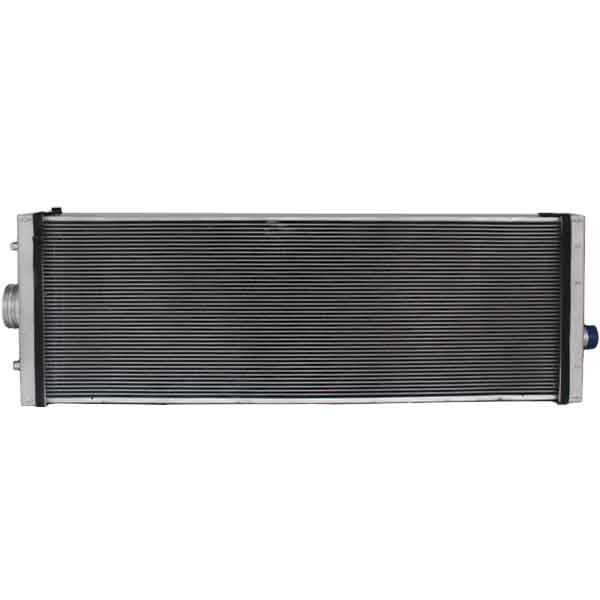
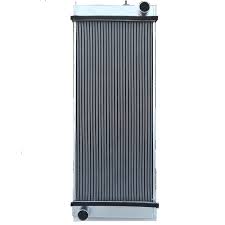
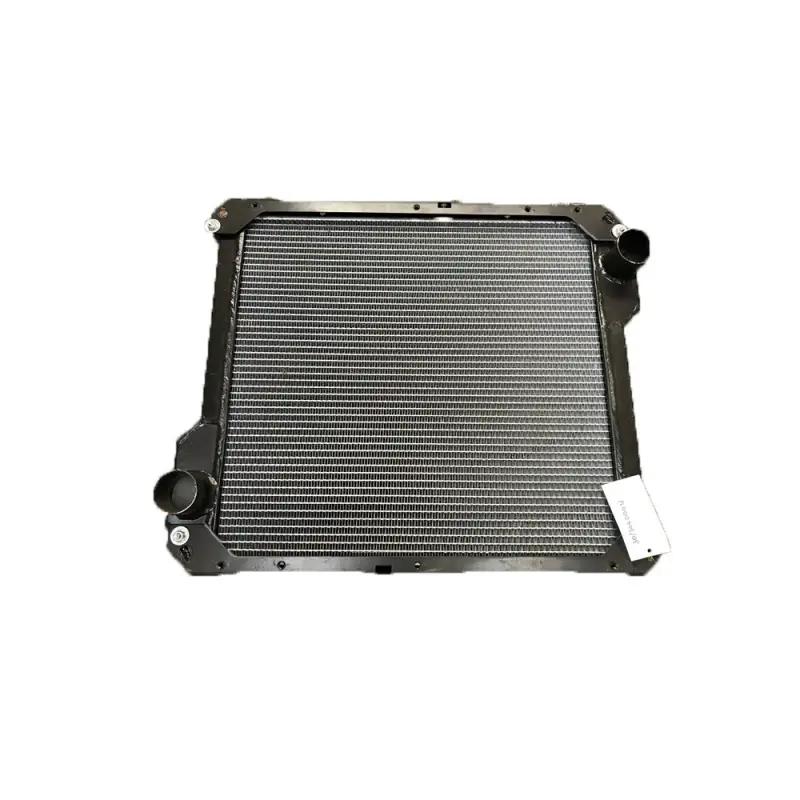
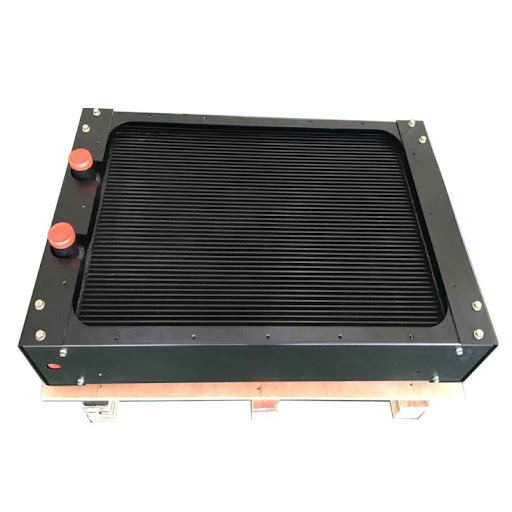
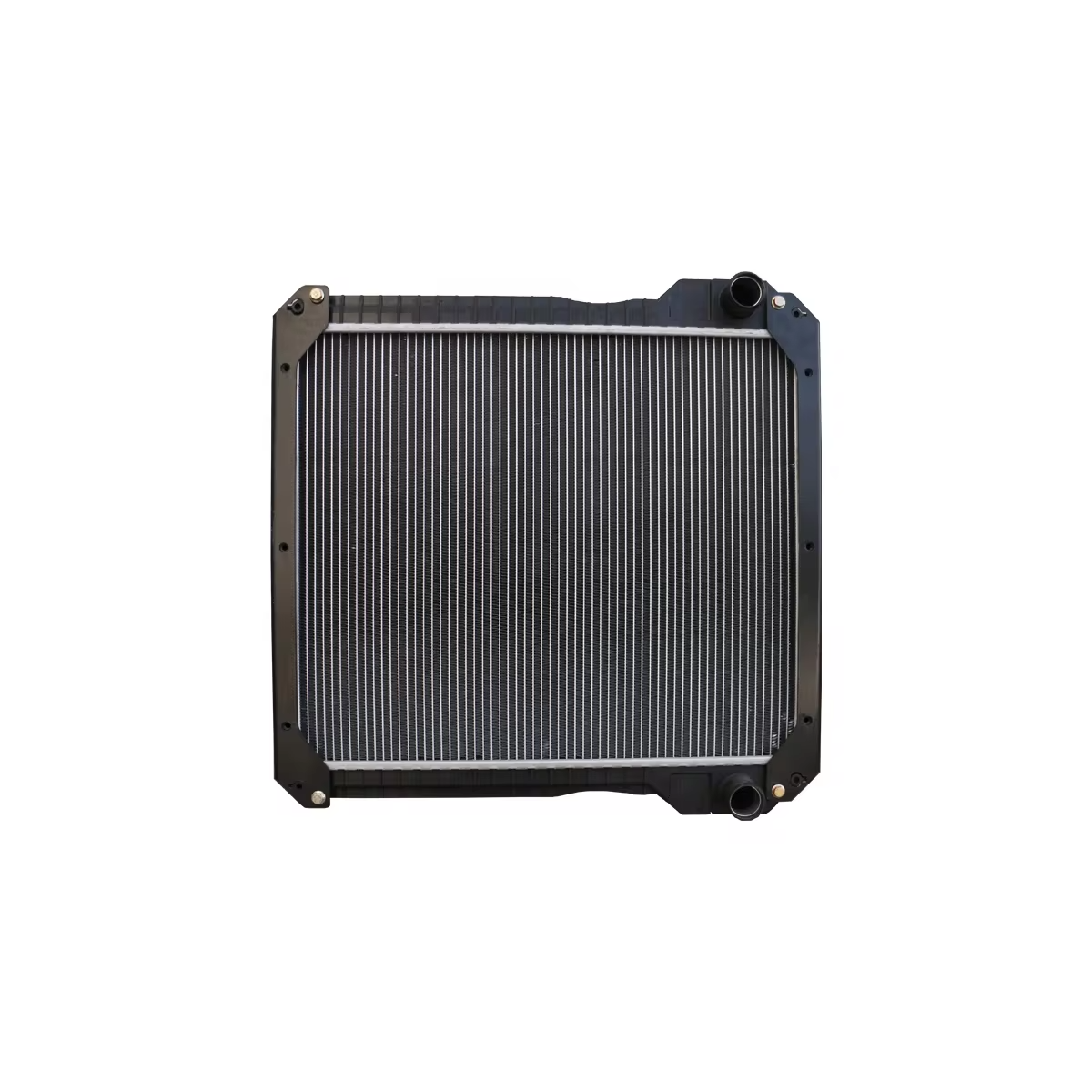
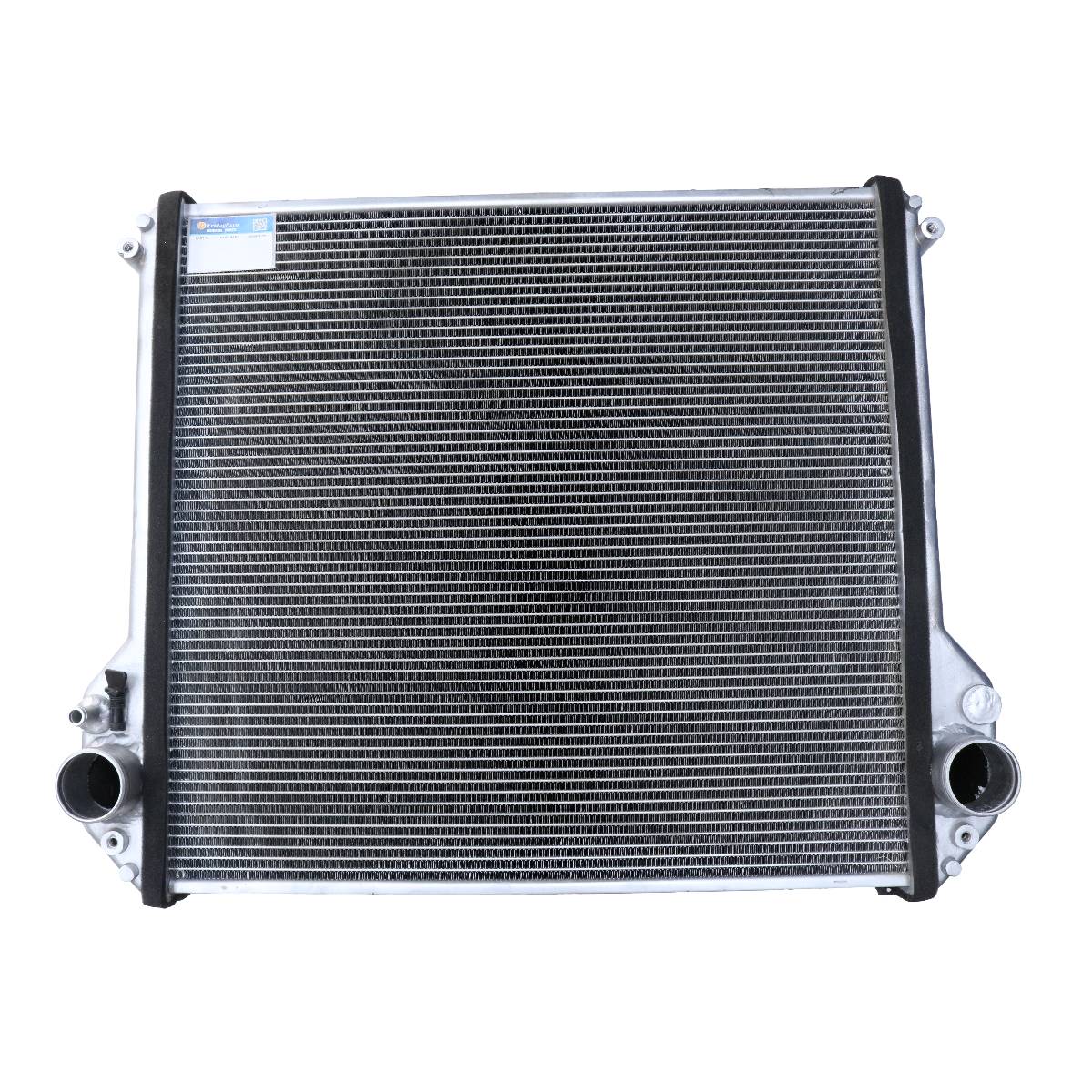
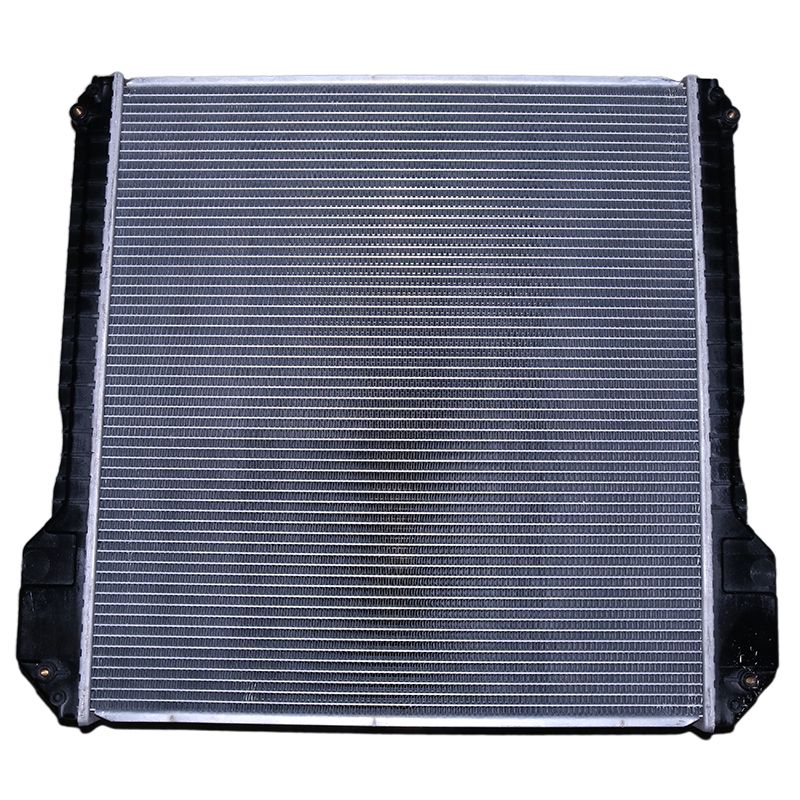
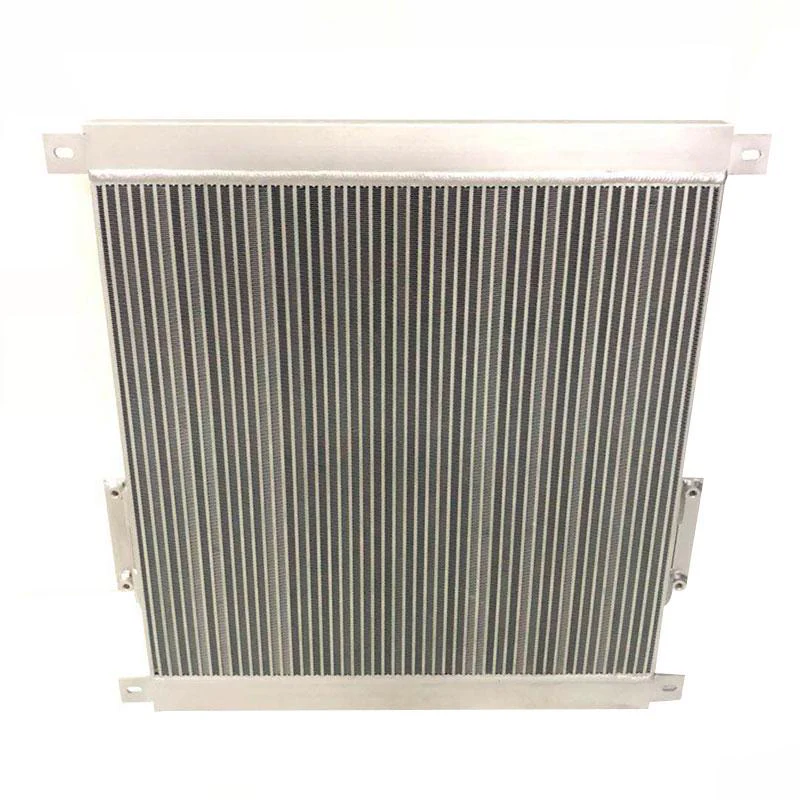
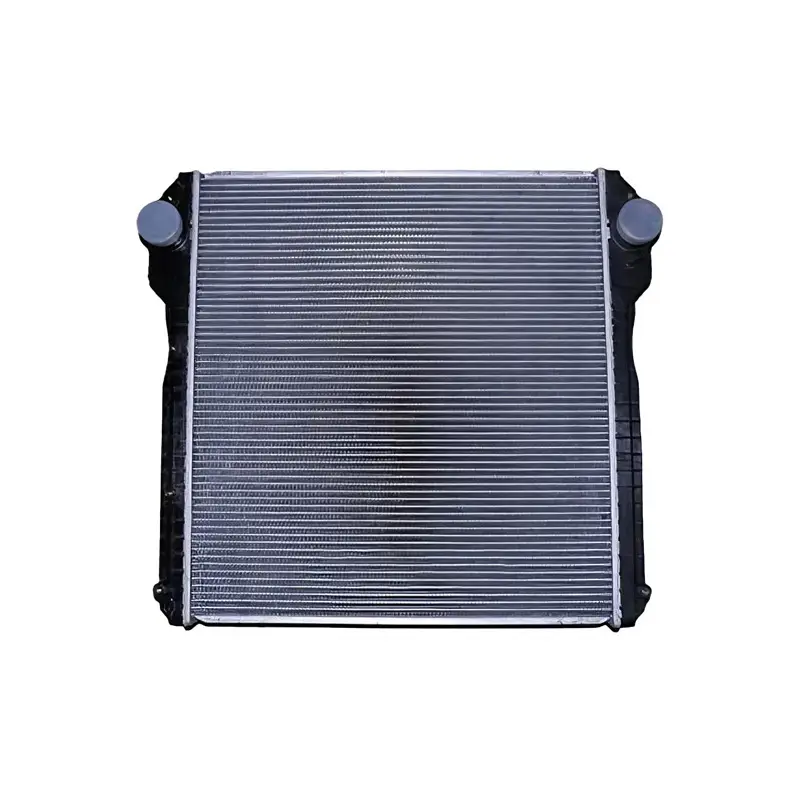
In harsh operating conditions, cooling systems must be resilient and efficient. This often involves advanced technologies, such as high-capacity radiators, efficient fans, and temperature sensors. Ensuring that these components are in good working condition is critical for the reliability and efficiency of construction equipment.
In summary, a construction machine’s cooling system is essential for maintaining operational efficiency, extending equipment life, and optimizing fuel use. It protects against overheating, ensures consistent performance, and contributes to overall cost savings and environmental sustainability.